





Dr. Shefali Chhicholia
BHMS, MD (Homeopathy), 7+ years experience
Gentle, long-term support for hormonal balance.

Talk to expert doctors about sexual, hormonal & weight concerns, privately and confidentially.

4.5out of 5
Loved these Shilajit Honey Sticks! Great taste, easy to use, and super convenient. Definitely worth trying!
I've started noticing gradual progress with my weight management routine. Feeling good and staying consistent.
The product was very helpful and thanks to sehatup for keeping my privacy Safe.
I have tried many washes for personal hygiene but nothing works even V-wash didn't work, but trust me guys this is amazing product. go buy it.
Good product 👍
It really works , before I felt soo tired but after taking this my energy is always high
Isko use krne k baad se now I feel soo much energy boosted . Mast product hai , recommended for sure !
Good for general health.
After my pregnancy and knee pain, I couldn’t even workout, but still lost around 6 kg with this.
Honestly didn’t expect such real results, really helped me a lot ❤️
product is good and great plus mujhe ashwagandha bhi free mila
I completely skipped creatine and switched to Vaji Bati. Initially, it felt a little weird, but the Shilajit and Ashwagandha worked really well for my energy and stamina. Gokshura and Kaunch Beej helped with muscle relaxation and overall strength.
it is a good product i must recommend this
great quality and packaging good
Using it from last 1 Month and I feel boosted in office & Personal life.
Help me in my energy , stamina and muscle growth .
AyurvedaLifestyle balance, digestion and long-term healing.
HomeopathyGentle, root-cause care with minimal side effects.
Modern medicineAccurate diagnosis and fast relief when needed.
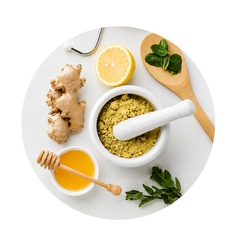
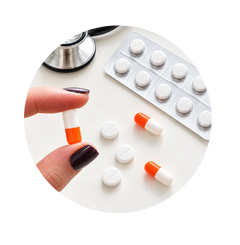
Together, they give you one complete 360° care plan.
Take free Health Score 360One path, zero confusion. You don't run from doctor to doctor.
We bring the whole team to you.
Pick who it is for, then what is bothering you.
Who is this for?
What happens after you start
Today
Free. No sign-up. Simple, honest questions about your body.
Within 24 hours
Your score is reviewed together by Ayurveda, Homeopathy and Allopathy doctors, who talk to you in Hindi or English.
Day 3 to 5
Only what your doctor chose for you, packed discreetly. Confirm with ₹50 and pay the rest on delivery, or pay in full online.
Every month
A WhatsApp check-in each month. Most people notice first changes in 4 to 6 weeks, and your plan changes as your body responds.
How has your sleep been lately?

Your score is reviewed by 3 doctors



Your care kit is on the way
 sehatUP
Day 30: how is your sleep now?
Much better, thank you!
Who reviews your Health Score
BHMS, MD (Homeopathy), 7+ years experience
Gentle, long-term support for hormonal balance.

BAMS (Ayurveda), 5+ years experience
Looks for the root cause behind your symptoms.

Counselling Psychologist, 5+ years experience
Helps with stress, mood and worries that affect your health.
 AYUSH Approved
 GMP Certified
 Verified Doctors
sehatUP began with a simple aim to make healthcare easier to understand and better connected. To make healthcare choices easier to understand, we placed Ayurveda, Homeopathy, and Modern Medicine on a single platform. Our mission is to help people make more informed choices about their health.
 Karan BhargavaFounder & CEO
 Amit Singh SandhuCo-founder & CMO
Future of HealthcareWatch our founders on why we built sehatUP




After your purchase, our doctors will conduct a comprehensive evaluation of your concerns, medical history, and lifestyle to customize the plan to meet your specific needs.
Confidentiality and clarity are our priorities. Your data is held in strict confidence, and the information you share will solely be utilized for transparent communication and to deliver effective care.
Our products are approved by AYUSH. All our products are formulated by experts and are safe to use, and free from harmful chemicals.
The plans provided offer a glimpse of what you can anticipate in your customized plan, but every individual's needs vary, and our doctors excel in leading you toward your unique journey to well-being.
Your doctor consultation is included at no additional cost with your care plan.
Depending on the diagnosis, our doctors/nutritionists may prescribe medications as part of the treatment plan.
These are selected based on individual needs and may include supplements, prescriptions, or other suitable options.

PCOD and PCOS are often used interchangeably, but are these two really the same? A regional study by UNICEF India in Maharashtra and Southern India reported 22.5% PCOD in menstruating women with 9.13 % PCOS. If observed closely, this report in itself provides an answer to the question “Is PCOD and PCOS same?” Two different percentages show that the two diseases are not the same. If the diseases are not the same, then why are they used interchangeably? It is because of the pre-existing knowledge, the myths and the misinformation that comes with these surprisingly common health issues, and although the terms are different, they are mostly used interchangeably. A lot of women only come to know about the difference between PCOD and PCOS when they are diagnosed. This blog will help you find not only the difference between the two but also the symptoms and treatments for the diseases so that you can take the right steps towards your health and fertility. What is PCOD?What is PCOD? PCOD meaning Polycystic Ovarian Disease, is a common hormonal condition found in women of reproductive age where the ovaries release partially mature or immature eggs that can take the form of small cysts. It is a mild version of PCOS. It is important to realize that PCOD is not clinically considered a disease in itself and is mostly used in India and parts of South Asia. What are the Symptoms of PCOD? The symptoms of PCOD are very similar to PCOS but are mild. The following are the symptoms of PCOD: Irregular Menstruation - Delayed, skipped or infrequent periods due to the absence of regular ovulation. Shift in Mood - Low mood, increased exhaustion, anxiety and mood swings. Skin Changes - Repeated acne on the face, upper back and chest. Along with this, there can be excessive, dark, and rough hair growth on the upper lip, chin, chest, abdomen, or back. Darkening of Skin - Dark, thick and velvety patches of skin around skin folds like the underarms, neck or groin. Thinning of Scalp Hair - Hair thinning on the parting of the head or crown, or hair loss. Weight Changes - Unexplained weight gain or difficulty in losing weight is often related to insulin resistance. Challenges in Fertility - Difficulty conceiving because ovulation is either irregular or absent. However, women with PCOD can still conceive with little support and lifestyle changes. What are the Causes of PCOD? Hormonal Imbalance - An imbalance between luteinizing hormone (LH) and follicle-stimulating hormone (FSH) obstructs the ovaries from releasing eggs normally. Excessive Androgen Production - Extremely high levels of androgens interfere with egg maturation and lead to symptoms like facial hair growth and acne. Persistent Low-Grade Inflammation - Regular low-grade inflammation stimulates the ovaries to produce excessive androgens and thus makes insulin resistance worse. Insulin Resistance - Cells become less sensitive to insulin, which causes the pancreas to pump out more of it. High insulin levels cause the ovaries to produce excess androgens. Unhealthy Lifestyle and Stress - Poor nutrition, lack of physical activity, high intake of sugar or processed foods, disturbed sleep and chronic stress can trigger or worsen PCOD. Genetics - As per “A descriptive study to assess the effectiveness of planned teaching programme on PCOD” published in the Indian Journal of Obstetrics and Gynecology Research, 2025, reports PCOD frequency at 9.13-36% nationally and 20-25% in Uttarakhand. The report identified the family history of PCOD as a major risk factor. This shows that genetics can make a person more prone to PCOD. What is PCOS? Polycystic Ovary Syndrome (PCOS) refers to a common hormonal disorder that affects women during their reproductive age. It happens due to an imbalance of reproductive hormones, especially when the levels of androgens rise from normal to higher levels and in case of issues with insulin regulation. What are the Symptoms of PCOS? PCOS and PCOD share the same symptoms with slight variations only. Below are the symptoms of PCOS: Irregular or Missed Periods - Unpredictable, infrequent or absent periods. Metabolic Problems - Weight gain, especially around the abdomen, difficulty in losing weight and insulin resistance. Facial and Hair Changes - Physical signs include severe acne, extra facial or body hair, oily skin and thinning of scalp hair. Ovarian Figure - Small, fluid-filled sacs; immature follicles can be visible around the edge of the ovaries on an ultrasound. Having visible cysts is not strictly needed for a diagnosis. What are the Causes of PCOS? Chronic Low-Grade Inflammation - Stimulates the ovaries to produce higher levels of androgen, resulting in metabolic and reproductive symptoms like high blood sugar, weight gain, heart disease, ovarian follicle buildup, pregnancy complications and infertility. High Levels of Androgen - Excessive androgen levels hinder the normal development of ovarian follicles and obstruct regular ovulation. This becomes the reason behind irregular or missed periods and the formation of immature, small egg-containing sacs on the ovaries. Insulin Resistance - The body does not respond in a normal manner to insulin, resulting in the pancreas pumping extra insulin to keep blood sugar stable. High levels of insulin also lead to high production of androgens by the ovaries. Overweight - PCOS can affect anyone, but people with obesity are more vulnerable towards the disease. Excessive weight can make insulin resistance worse and can intensify hormonal imbalance. Genetics and Family History - Women having family history in PCOS are more vulnerable towards it. In the study Burden of Polycystic Ovarian Syndrome and its determinants among Female Doctors published in the Indian Journal of Community Health, researchers documented that 21.25% of patients with PCOS had a family history. What is the Effect of PCOD and PCOS in Women? Although the symptoms and causes of PCOD and PCOS are almost the same, the two differ in the effect they have on the patient. Key Characteristics Effect of PCOD Effect of PCOS Metabolic and Long-term Risks Carries lower the metabolic risk. Leaving it unmanaged can lead to long-term risks. Involves insulin resistance and has higher long-term risks for type 2 diabetes, sleep apnea, endometrial issues, and heart disease. Ovulation and Fertility It may happen irregularly in PCOD; however, conceiving is possible if PCOD is managed effectively. Infrequent or absent ovulation. It usually requires more targeted medical support. Management Usually, lifestyle changes can manage PCOD. Needs lifetime care along with targeted medical or hormonal treatment. What is the difference between PCOD Vs. PCOS Treatment? The main difference in treatment of both diseases is that PCOD can improve with lifestyle changes alone, while PCOS needs lifetime management to address metabolic risks, ovulation and hormonal imbalances. Approach in PCOD Treatment Care of Targeted Symptoms - Short-term medications can be prescribed by doctors to regulate periods or target skin treatments for mild acne or hair thinning. Fertility Support - Usually, patients can conceive naturally or with minimal support, although in some cases assistance can be needed. Lifestyle - A balanced diet, stress reduction, weight management, and regular exercise can control mild symptoms. Approach in PCOS Treatment Long-term Hormone and Cycle Control - Usually includes medicines to regulate menstrual cycles, protect the uterine lining and decrease acne or excessive facial hair growth. Metabolic and Insulin Management - Includes medications with diet and exercise to address chronic risks of type 2 diabetes, heart issues and insulin resistance. Fertility Support - As ovulation is usually absent or irregular, conception may need ovulation-inducing medications. What is the difference between PCOD Vs. PCOS Infertility? PCOS usually causes more fertility challenges in comparison to PCOD. However, any woman with any of the diseases can conceive naturally or with medical aid. Difference between PCOD Vs. PCOS Infertility Characteristic PCOD PCOS Ovulation Usually irregular, but ovulation can occur Heavily disturbed or absent, usually Underlying Nature A milder hormonal imbalance impacting egg maturity A broader metabolic and endocrine disorder with insulin resistance and higher androgens Conception Outlook Usually, can conceive naturally or with minimal support and lifestyle changes Is more complex, often controlled with fertility treatments or ovulation induction What Is the Difference Between PCOD and PCOS?What Is The Difference Between PCOD and PCOS? As a disease, both PCOD and PCOS involve ovarian follicles and hormonal imbalances, but PCOS is a more complex metabolic and endocrine disorder. PCOD is usually a milder, lifestyle-related condition. Difference between PCOD Vs. PCOS Characteristic PCOD PCOS Nature of Disease A physical or ovarian condition connected to lifestyle A recognized, complex hormonal, endocrine and metabolic syndrome Severity and Scope Usually milder and is generally limited to ovarian function Is more systemic and severe, affects metabolism, hormones and insulin Hormonal and Androgen Levels Mild hormonal or androgen imbalance Excessive production of androgens which lead to symptoms, such as hair loss and facial hair growth. Ovulation and Fertility Ovulation occurs irregularly; natural conception is possible with minor care Ovulation is rare or usually absent, resulting in higher risk of infertility Metabolic Risks Lower risk of chronic metabolic complications Highly associated with type 2 diabetes, heart disease, insulin resistance and metabolic syndrome Management Improved and managed through exercise, diet and lifestyle changes Needs hormonal therapy, persistent medical management and structured lifestyle changes What is the difference between PCOD Vs. PCOS Diet? There is no significant difference between the diet of PCOD and PCOS. Both include high-fiber, low-glycemic, lean protein foods, and anti-inflammatory fats to control blood sugar and balance hormones. A few basic differences are provided below: Difference between PCOD Vs. PCOS Diet Diet Aspect PCOD PCOS Primary Focus Balanced diet, consistent energy and mild symptom control Insulin sensitivity, inflammation reduction and tighter blood sugar control Protein and Fats Sufficient protein (fish, curd, legumes, eggs) and healthy fats (seeds, nuts) Higher significance of protein and anti-inflammatory fats (omega-3, seeds, olive oil, nuts) Carbohydrates Low-GI, moderate whole grains (brown rice, millets, oats, lentils) Stricter carb control if insulin resistance is prioritized Foods to Limit White rice, refined flour (maida), fried snacks, sugary drinks Same limits as PCOD with extra precaution around ultra-processed foods and added sugars. As per the Medical Nutrition Guideline, the diet depends on individual metabolic needs. PCOD Vs. PCOS, Which is More Dangerous? COD Vs. PCOS, Which is More Dangerous? Usually, PCOS is considered more dangerous than PCOD. It happens because of the following factors: Metabolic and Diabetes Risks - PCOS is strongly associated with insulin resistance. This increases the risk of developing type 2 diabetes, high cholesterol, gestational diabetes, and metabolic problems even at a younger age. Endometrial Cancer Risk - Ovulation is heavily disturbed in PCOS, which can lead to thickening of the lining of the uterus over time. It raises the risk of endometrial cancer if not treated. Heart and Blood Vessel Strain - Women with PCOS face higher risks of heart disease, high blood pressure and stroke. Higher rates of high blood pressure, insulin resistance, and increased cholesterol levels intensify the risk of cardiovascular disease over time. Greater Fertility and Pregnancy Challenges - Both diseases can make it difficult to conceive, but absent or irregular ovulation in PCOS plays a major role in causing infertility. It is associated with higher risks of pregnancy complications like high blood pressure, gestational diabetes and miscarriage. Mental Health and Sleep Effects - Women with PCOS are at a high risk of depression, anxiety and sleep issues. Conclusion Knowing the difference between PCOD and PCOS is the first step towards managing them. There is no major difference between PCOD Vs. PCOS symptoms, which makes it difficult to find the difference. This blog discusses major differences between PCOD and PCOS to help you navigate the two diseases and manage them. Managing PCOD or PCOS requires a lot of patience. A person can feel that this journey is exhausting and overwhelming. This is where medical assistance comes into play. sehatUP provides free health diagnosis through Health Score 360 and free consultation while keeping your information confidential. It provides a personalized health kit depending on your overall health condition. This journey can be long, but we are with you to support you at each step.

Women today are facing hormonal imbalance earlier and more often than before. Chronic stress disrupts the hypothalamic-pituitary-ovarian axis, leading to hormonal imbalance and irregular ovulation. Data from the Indian Society of Assisted Reproduction (ISAR) and International Fertility Studies show an increase in cases of diminished ovarian reserve and polycystic ovary syndrome (PCOS) among women under 30. Today's modern life, often seen as disturbed sleep cycles, poor food habits, excessive screen time and limited physical activity, results in hormonal imbalance, PCOS and rising rates of obesity. As per a study conducted by the Indian Council of Medical Research (ICMR), PCOS alone affects 19.6% of Indian women of reproductive age. Although this situation is not necessarily irreversible, this shift is a rising concern and demands immediate attention and timely action. Learning about the causes and symptoms of hormonal imbalance will provide the answer to How to treat hormonal imbalance in females? What is Hormonal Imbalance? Hormonal imbalance refers to either very high or very low levels of one or more hormones like insulin, progesterone, thyroid, cortisol or estrogen in the bloodstream. Hormones play an important role in affecting the overall well-being of a person, including their mental, physical and metabolic health. Therefore, even a slight change in hormones can affect a person’s health and can lead to conditions that need assistance. Some hormonal imbalances can be short-term while others can be long-term. In the same way, some hormonal imbalances may not require treatment but can affect the quality of your life. On the other hand, some may require treatment for you to stay physically healthy. What are the Symptoms of Hormonal Imbalance in Females? Scientists have discovered over 50 hormones, which contribute to different body functions. Hence, a person can experience different symptoms depending on the hormone affected. In females, hormonal imbalance can negatively impact metabolism, mood and reproduction. Change in Menstruation - A change in menstruation cycle like irregular, skipped or missed periods, severe cramps, mood shifts, unusual heavy bleeding or signs of premenstrual syndrome (PMS). Sleep and Mood Disturbance - Sleep problems like night sweats or insomnia, anxiety, depression, brain fog, chronic exhaustion, irritability or anxiety. Weight and Metabolism - Difficulty in losing weight or unexplained weight gain; often linked with PCOS, thyroid issues or insulin resistance. Skin and Hair Problems - Oily skin, hair loss, thinning scalp hair, excessive body or facial hair and constant acne, mostly along the chin or jawline. Sexual and Reproductive Health - Vaginal dryness, hot flashes, low sex drive, difficulty conceiving or infertility. Digestive Issues - Estrogen, progesterone and sex hormones are important in your metabolism and help in regulating your gastrointestinal tract. When these hormones are not in balance, your gut function suffers, leading to diarrhea and constipation. These symptoms can be a sign of some other disease as well. It is recommended to always consult a doctor. What are the Causes of Hormonal Imbalance in Women? There can be various causes of hormonal imbalance in women, ranging from natural causes to medical causes. Let us know about them. Natural Causes Puberty - As the body starts developing and the menstrual cycle starts, hormone levels naturally shift. Menstrual Cycle - Routine shifts in the levels of progesterone and estrogen happen throughout the month. Pregnancy and Lactation - The body experiences a major hormonal shift to support a developing baby. Hormonal levels continue to change after childbirth and while breastfeeding. Perimenopause and Menopause - The levels of progesterone and estrogen gradually lower as the body moves towards menopause, resulting in mood shifts, irregular periods and hot flashes. Lifestyle and Environmental Causes Lack of Sleep - Inconsistent or lack of sleep changes the levels of insulin, cortisol and sex hormones. Persistent Stress - Stress for a long time increases the levels of cortisol, which can crush or interfere with metabolic and reproductive hormones like progesterone, estrogen and thyroid hormones. Excessive Exercise - Excessive, high-intensity training or a completely inactive lifestyle can weaken the reproductive and metabolic balance. Poor Diet and Weight Changes - Ultra-processed foods or diets high in sugar, being overweight, which increases the level of estrogen, or severe weight loss can disturb hormone production. Medicines - Some particular medications such as steroid-based treatments, hormonal birth control or fertility medicines can change baseline hormone levels. Environmental Endocrine Disruptors - Chemical substances found in pesticides, cosmetics, plastics and household products can block natural hormones. Medical Causes Insulin Resistance - When cells do not respond normally to insulin, blood glucose spikes and leads to higher androgen production,n which impacts ovulation. Polycystic Ovary Syndrome (PCOS) - One of the most common hormonal diseases that results in irregular periods, excessive production of androgens, fertility challenges, acne and unwanted hair growth. Thyroid Malfunction - Whether it’san underactive or overactive thyroid, it disrupts energy levels, menstrual cycles and metabolism. Structural or Glandular Problems - Includes tumours, growth on the adrenal, ovarian or pituitary glands, adenomas along with injury or damage to endocrine organs. Hormonal Imbalance and Weight Gain Hormonal imbalance can lead to sudden and unexplainable weight gain or can make weight loss difficult, as it changes appetite, metabolism and fat storage. Hormones That Affect Weight Gain There are certain hormones that, if imbalanced, result in weight gain. Some of the following hormones are: Insulin - When cells do not respond normally to insulin, blood glucose rises and stays high. This results in the body storing extra energy as fat, especially around the abdomen. Cortisol - Persistent high stress increases the level of cortisol leading to an increase in appetite, triggers sugar cravings, thus resulting in fat storage around the belly. Thyroid - An underactive thyroid results in slowing down of metabolism, which causes the body to burn fewer calories, resulting in weight gain and exhaustion. Leptin and Ghrelin - These are hunger-related hormones, which can become imbalanced due to persistent stress and poor sleep. This can result in feeling constantly hungry even after eating. Estrogen - Changes or lowering estrogen levels during perimenopause or menopause shifts the fat from thighs and hips to the abdomen. Hormonal Imbalance and Periods Hormonal imbalance can disrupt the menstrual cycle due to reasons like uterine fibroids, PCOS or thyroid disorders. Common signs related to hormonal imbalance and periods are Irregular Cycles - Periods that come in less than a gap of 24 days, more than 38 days or skip the entire month. Change in Menstrual Flow - Very light bleeding often connected to low estrogen and very heavy bleeding often connected to high estrogen or fibroids. Change in Mood and Appearance - Hair thinning, change in weight, persistent acne, severe cramps and extreme premenstrual mood swings. Hormonal Imbalance Treatment for Women Hormonal imbalance is not a disease in itself; it is a sign of a condition behind hormonal imbalance, like perimenopause, PCOS,S etc. This is why there is no particular treatment for hormonal imbalance. Treatment is based on the underlying condition, which is found through a diagnosis. Medical Treatment for Hormonal Imbalance A healthcare provider can recommend certain medications depending on which hormone is affected. Hormone Replacement Therapy (HRT) - Systemic or Bioidentical Hormone Replacement Therapy (BHRT) is used to enhance the declining levels of progesterone, estrogen or testosterone during perimenopause and menopause. Hormonal Birth Control - Pills, shots, patches, rings or intrauterine devices (IUDs) can help in reducing cramps, regulating menstrual cycles and can provide relief in acne or excessive hair growth by providing steady levels of progesterone and estrogen. Lifestyle Support It plays an important role in supporting endocrine health, but it is important to remember that lifestyle and dietary support can’t replace targeted treatment. Stress Management - Persistent stress increases the levels of cortisol, which can restrain thyroid and reproductive hormones. Practices like yoga, breathwork and mindfulness help regulate the nervous system. Prioritize Sleep - A deep and consistent sleep of at least 7 hours is necessary for metabolic recovery and hormonal regulation. Regular Movement - Moderate cardiovascular exercise and strength resistance training help lower cortisol levels, improve insulin sensitivity and metabolize excessive estrogen. However, overtraining can worsen hormonal imbalance. What Hormonal Imbalance Diet Should Be Taken by Women? Diet supports hormonal balance. A balanced whole-food diet having proteins, healthy fats and fibre helps in reducing inflammation, stabilizes blood glucose and thus helps in supporting hormonal balance. Include Whole Foods in your Diet These foods are full of essential vitamins and minerals which help in supporting hormone production and regulation. These foods provide the body the raw materials that are required to build, regulate and clear hormones while also neutralizing blood sugar spikes that trigger endocrine disruption. These foods include Ragi, jowar, bajra, brown rice, whole eggs, nuts, tofu, paneer, lentils (dal), quinoa, pumpkin and sunflower seeds. Include High-Quality Proteins in your Diet Ensure adequate protein intake in your food, aiming for balanced proportions at each meal to manage & stabilize blood glucose and supply amino acids needed for hormones. These foods include lean chicken, eggs, lentils and quinoa. Include Healthy Fats in Your Diet Healthy fats reduce inflammation and support cellular hormone production. They provide the necessary chemical building blocks for reproductive hormones and help the body absorb fat-soluble vitamins. Best healthy fat sources to include in your diet are omega-3, monounsaturated fats and natural saturated fats in moderation. These foods are fatty fish, walnuts, ground flaxseed, olive oil, avocados, soaked almonds, fresh coconut, whole egg yolks and pure ghee in small amounts to supply cholesterol for hormone synthesis. Include Leafy Green Vegetables in your Diet These foods provide vitamin B, fibre, and other vital minerals that calm stress hormones, control blood sugar spikes and support liver hormone detox. Including leafy green vegetables in your diet aids the endocrine system to metabolize estrogen safely and maintain stable energy by providing it with magnesium, vitamin B2, vitamin B6, vitamin B9 and iron. These foods include kale, cabbage, spinach, cauliflower, broccoli and plant compounds. Probiotic Foods Provide beneficial bacteria that support the gut microbiome, which regulates the clearance of estrogen, systemic inflammation and insulin sensitivity. A balanced gut ecosystem ensures that used hormones are safely removed rather than reabsorbed into the bloodstream. It also calms stress and metabolic triggers that disturb the menstrual cycle. These foods include kefir, yogurt and fermented vegetables, which play a major role in hormone regulation. What Foods Should Be Regulated In Hormonal Imbalance? Regulating food intake is necessary as it provides help in supporting metabolic health and in managing symptoms; however, extreme limitations can make the hormonal imbalance worse. Ultra-processed and Fried Foods These foods should be regulated because they lead to gut disruption, insulin resistance, inflammation and chemical interference, which intensifies hormonal imbalance symptoms. Regulating food intake is more important than putting restrictions, as it prevents stress and also protects endocrine health. Refined Carbs and Added Sugars High-glycemic foods lead to high blood sugar and a chain reaction across cortisol, insulin and reproductive hormones. Refined and sugary foods are stripped of fibre, making it easy for the body to digest them, which forces the endocrine system into overdrive. Alcohol and Excessive Caffeine It is extremely important to regulate them because both alcohol and excessive caffeine increase cortisol, damage the liver’s ability to clear hormones and interfere with blood sugar stability and sleep. As women metabolize alcohol more slowly than men and clear caffeine at different speeds across their menstrual cycle, excess intake leads to extra burden on the endocrine system. These factors can look small or little effective when thought about as individual factors but together, the lifestyle and diet changes act as a natural treatment for hormonal imbalance. Ayurvedic Treatment for Hormonal Imbalance Hormonal imbalance Ayurvedic treatment mainly focuses on restoring the balance of the body’s doshas, Vata, Pitta and Kapha, supporting digestion (Agni), clearing metabolic toxins (Ama) and supporting reproductive tissues (Artava Dhatu). It is done through lifestyle habits, daily routines, personalized diet and herbs. Before getting into the Ayurvedic treatment, let us understand the principles used by Ayurveda to treat hormonal imbalance. Ayurvedic Principles for Treating Hormonal Imbalance Gut and Metabolic Health - Ayurveda looks at healthy digestion and low toxins (Ama) as a foundation for hormone metabolism and energy. Dosha and Cycle Assessment - Ayurvedic doctors evaluate imbalances in vata linked to stress or irregular cycles, pitta related to inflammation, heat or irritability or kapha; linked to weight changes, fatigue or PCOS-like patterns impact sleep, menstrual rhythms, digestion and stress. Integrative Evaluation - Modern Ayurvedic clinics usually pair traditional knowledge with medical history, gynecological care and lab work to decide whether it fits Ayurvedic support or conventional medical management. Ayurvedic Herbs for Female Hormonal Health Shatavari - Is known as a major rejuvenator for females. It supports estrogen balance, provides menstrual comfort, eases menopausal symptoms, nourishes the reproductive system and provides fertility support. Triphala - This is primarily known as a ‘Gut Herb’. It helps in treating hormonal imbalance in an indirect way. This herb regulates metabolism, improves gut health, helps in liver detoxification and is stress-resilient. Ashwagandha - It is made from non-toxic natural substances; therefore, it is an adaptogenic herb. It helps in managing the levels of cortisol, regulates the endocrine system and supports overall vitality. Guduchi and Turmeric - Used to improve insulin sensitivity, reduce low-grade inflammation and support metabolic health that is often connected to hormonal shifts. Brahmi - This herb builds nervous system resilience over time and is very effective for people whose hormonal issues are due to stress and mental overload. Lodhra - This herb is used to regulate heavy menstrual bleeding, support uterine health and manage conditions like PCOS. Ashoka - A conventional uterine tonic that eases heavy or uncomfortable periods and supports a timely menstrual cycle. Gokshura - It is used to support hormonal balance, urinary health and reproductive vitality. Hormonal Balancing Supplements for Women Changes in lifestyle and diet do not bring instant results, they need their own time to show results. Hormonal supplements do not directly treat hormonal imbalance. Instead, supplements provide targeted nutrients to support natural hormone production and metabolism. Along with this, they support the body’s response to fluctuations or stress. Products like Her Menses or HormoniHerb help in gaining rhythmic relief and hormonal harmony. These products are specifically made to support women’s menstrual wellness, general hormone balance and PCOD/PCOS management. Conclusion Women go through hormonal imbalances during different stages of their life. It happens naturally at some stages of life, while sometimes it can be a sign of an underlying problem like thyroid disorders, diabetes, POI, PCOS, and more. Figuring out the underlying problems on your own can be a tiresome and overwhelming journey. Along with this, hormonal imbalance takes time to get balanced. So, it is extremely important to get the right guidance, which makes it important to find the best doctor for hormonal imbalance. sehatUP is India’s first integrated digital health clinic that combines Ayurveda, Homeopathy, and Allopathy to cure the disease. The digital clinic provides private online consultations and personalized treatment depending on the condition of the patient. Every person deserves to know their true disease and get treated accordingly.

In modern times, PCOS has emerged as a worldwide disease. According to the Global Burden of Disease (GBD), the total number of PCOS cases increased by about 56% to nearly 90% between 1990 and 2021. These experiences can vary from person to person. Many people see changes in their diet patterns, like increased sugar/carb cravings, shifts in appetite and weight gain due to early insulin resistance. Food plays a major role in managing PCOS as it balances hormones & inflammation, improves metabolism and reproductive features, stabilizes blood sugar & insulin and reduces long-term health risks. However, PCOS patients struggle with finding the right diet because there is an extremely high evidence-practice gap in healthcare. The dietary advice from primary care clinicians is usually insufficient, overly generic or unhelpful. Having PCOS doesn’t mean you have to follow a restrictive diet plan. This blog will take you into the depths of a PCOS diet plan, helping you discover foods that help with PCOS management and what should be eliminated from meals. What is PCOS? PCOS (Polycystic Ovary Syndrome) is a common hormonal and metabolic disorder that usually affects women in their reproductive years. It leads to hormonal imbalance, insulin resistance and polycystic ovaries (follicles developed in ovaries). Common Symptoms found in PCOS Patients Irregular or missed periods for a long time can be a sign of PCOS. Growth of excessive facial or body hair and acne. Thinning of hair on the scalp or male pattern baldness. Sudden weight gain or difficulty in losing weight. Trouble conceiving. Dark patches of skin, usually in the armpits, groin, under the breasts or along the neck creases. Why does your food intake matter so much in PCOS? The human body gets nutrition through food, thus making it an important foundational concept of first-line treatment of PCOS. Food intake matters a lot in PCOS as it targets root metabolic & hormonal imbalances, reduces long-term health risks, and helps in managing daily symptoms. Along with these, food also helps in regulating blood sugar & cravings, improving insulin resistance, balancing hormones, reducing androgens, and supporting weight management. A healthy diet can restore energy levels, address the symptoms effectively and maintain healthy body weight. However, it is important to note that food intake should not be only seen as a way to lose weight. Best Foods for PCOS Before diving into the best foods for PCOS, it is very important to note the following. According to the 2023 International PCOS guideline published by the International PCOS Network, there is no evidence that any single type of diet works better than another for PCOS patients. The 2023 International guideline recommends normal healthy eating principles. Dietary recommendations may take the form of a variety of balanced dietary plans depending on the individual’s lifestyle needs and preferences, as per general popular recommendations rather than a particular diet. For regulating PCOS, it is extremely important to maintain the overall quality of your food over time. So, aren’t there any foods that can be considered more than others for regulating PCOS? The answer to the question is no, as the best foods for managing PCOS are whole, anti-inflammatory, low-glycemic index, and high-fibre. PCOS Diet Plan for Women According to a systematic review and meta-analysis published in the Journal of Clinical Endocrinology & Metabolism, women having PCOS have a 53% greater probability of any eating disorder in comparison to women not having PCOS. Hence, diet plays a major role in PCOS management; it is necessary to have a proper diet plan. The right choices related to diet work by treating insulin spikes, slowing down sugar absorption, and supporting hormonal balance. Here is a diet plan that can be followed for managing PCOS. Foods with a low-glycemic Index – Low-GI foods refer to those having a ranking number of 55 or below. Such foods are digested and absorbed in a slow manner, which leads to a slow and steady rise in the levels of blood sugar. A low-GI diet helps PCOS patients stabilize blood sugar & insulin, supports hormonal & menstrual balance, improves insulin sensitivity and helps in managing weight. Such foods include brown rice, bulgur wheat, chickpeas, moong dal, broccoli, spinach, cauliflower, bell peppers, asparagus, eggs, poultry. Low-Carbohydrate and High-Fiber Foods – Limit the intake of foods high in carbohydrates and replace them with protein and healthy fats. This diet lowers androgen levels, supports weight loss, and improves insulin resistance, which often leads to restoring regular menstrual cycles and ovulation. Foods include chicken breast, fish, tofu, eggs, tomatoes, zucchini, extra virgin olive oil, walnuts, chia seeds, flaxseeds and almonds. Millets like jowar, ragi or quinoa can be taken in small amounts. Fruits – Fruits provide antioxidants that decrease the chronic low-grade inflammation common in PCOS patients. However, it is important to manage your choices as well as serving sizes. PCOS patients should increase the intake of fruits like green apples, pears, berries, peaches, plums, guavas, avocados, & citrus fruits like oranges and grapefruits. It is highly recommended that PCOS patients not drink fruit juice, even if it's unsweetened, as consuming liquid sugar causes sharp insulin spikes. Vegetables – Eat non-starchy vegetables in adequate amounts as they contain very low amounts of carbohydrates and starch. They provide important micronutrients like magnesium, which improves insulin sensitivity and indole-3-carbinol, which aids the liver in clearing out excess estrogen. These vegetables are ladyfinger, fenugreek leaves (Methi), cabbage, and cucumbers. They have almost no effect on blood sugar and can fill up half of your plate. Foods to Avoid in PCOS There are various foods that can have a negative impact on PCOS, so it is important to avoid such foods. Given below is the list of foods that must be avoided by PCOS patients. Foods with a high glycemic index – Foods with a high GI lead to rapid spikes in blood sugar and result in an excessive release of insulin, which worsens the condition of PCOS. Such foods increase androgen production, worsen insulin resistance, increase the risk of long-term diseases like metabolic syndrome & type 2 diabetes and promote weight gain & fat storage. These foods include croissants, doughnuts, white rice, white bread, potato chips, cornflakes, French fries, puffed rice and boiled pumpkins. Sweet Foods and Drinks – These foods and drinks should be avoided as they trigger sharp blood sugar spikes & sugar cravings, negatively impact the metabolic & hormonal symptoms of PCOS, and cause inflammation. Instead of consuming sweet foods and drinks to satisfy the cravings, choose to eat whole fruits for their natural fibre, which slows down sugar absorption. In the same way, replace sweet drinks and sodas with infused water or unsweetened herbal and black tea. Processed and Junk Foods – These foods contain a high amount of salt and unhealthy fats. These factors can lead to hormonal imbalances, which can result in weight gain and increase the risk of obesity. Along with this, these foods can trigger chronic inflammation, irregular cycles, excess hair growth, and worsen insulin resistance. Foods like pizza, burgers, pastries, cakes, cookies, noodles, bacon and packaged snacks containing trans fat should be eliminated from the diet. Fried Foods – This category of food is high in unhealthy fats, thus contributing to obesity, diabetes, and cardiovascular diseases. These foods also lead to insulin resistance, disrupt hormones, trigger inflammation, and promote weight gain. Fried foods include samosas, pakora, chips, fried chicken, and French fries, which should be avoided. How to Form a PCOS-Friendly Diet? To form a PCOS-friendly diet, it is not necessary to eradicate or add different food items to the diet. Instead, the focus should always be on a balanced diet to regulate PCOS and to form this balance, three things should be considered: carbohydrates, protein, healthy fats and dietary fibre. It is recommended to take these things in the following proportions: Items Proportions (of total daily calories) Carbohydrates ~25% to 45% Protein ~25% to 35% Healthy fats ~30% to 40% Dietary fibre At least 25 to 35 grams per day It is important to note that these figures are not universal. Let’s understand this with the help of examples: Cooked quinoa and boiled chickpeas Paneer or Chicken Coconut Curry with Cauliflower rice Eggs with avocado on whole-grain toast Salmon with new potatoes and greens Lentil curry with yogurt and rice Avocado and smoked salmon sourdough toast Apart from this, there is one method that can be used if percentages don’t work for you. It is known as the PCOS Plate Method. This method is used by dietitians when making a balanced diet. ½ plate – Non-starchy, fibre-rich vegetables ¼ plate – Lean Protein ¼ plate – Complex carbohydrates, high fibre Add-on – A balanced serving of anti-inflammatory and healthy fats PCOS Diet Chart The PCOS guideline advises the promotion of healthy lifestyle behaviours in all women with PCOS to gain a healthy weight. In women with excessive weight, a weight loss of 5-10% is advised, targeting an energy deficit of 30% or 500-750 kcal/day or 1200-1500 kcal/day. Consequently, weight management is seen as a core component for managing PCOS. Below is a 7-day PCOS diet plan that can be followed to help regulate the disease: PCOS Diet for Weight Management Day Breakfast Lunch Snacks Dinner 1 Vegetable poha with peanuts Brown rice, lentils (dal), mixed vegetables Roasted makhana Chapati with chana masala and green salad 2 Vegetable upma Chapati (Roti), kidney beans (Rajma), Raita Roasted chana Grilled tofu with vegetables 3 Broccoli and cauliflower (gobi) paratha Millet khichdi and curd Handful of almonds Vegetable soup with chapati 4 Moong dal chila Quinoa and chicken curry Strained/Greek yogurt with flaxseed Lentils and steamed vegetables 5 Oats with chia and berries Chapati, chickpea curry, raita and cucumber Low-Glycemic fruits like apples, oranges, avocadoes, and more Spinach soup with multi-grain chapati 6 Gram flour (Besan) omelette with vegetables Fish curry, brown rice, salad Buttermilk with seeds Vegetable khichdi 7 Ragi banana pancakes Brown rice pulao and raita Whole wheat bread with peanut or almond butter Chapati with sprouts It is important to note that the following diet plan needs to be paired with a moderate caloric deficit. This diet chart shows a specific Indian Diet Plan for PCOS. By following this PCOS meal plan, patients can keep the disease under control and thus prevent future discomfort. Women with PCOS are more likely to either skip breakfast or have their breakfast or lunch later in the day. As per a trial published in The British Journal of Nutrition, eating smaller, more frequent meals in a day improves post-meal insulin sensitivity compared to eating three large meals, independently of weight or age. Along with this, eating a larger breakfast & smaller dinner is also useful, as per the clinical trial led by Dr Daniela Jakubowicz, a researcher at Tel Aviv University, who has published more than 70 inter-institutional studies. The peer-reviewed study, titled “Effects of caloric intake timing on insulin resistance and hyperandrogenism in lean women with polycystic ovary syndrome”, was published in the medical journal Clinical Science. Key scientific findings of the study: 50% Decrease in Free Testosterone – By decreasing insulin levels, the breakfast group successfully reduced free testosterone levels by half. 54% Decrease in Insulin Levels – The breakfast group saw a decrease of 54% in the total insulin area, which signals a huge improvement in insulin sensitivity. 105% Increase in SHBG – Sex Hormone-Binding Globulin, a protein that binds to excess testosterone so it cannot cause symptoms like hair loss or acne, more than doubled in the breakfast group. Higher Ovulation Rates – The trial observed that regulating hormones led to a significant increase in the ovulation rate for the breakfast group compared to the dinner group. Is Diet Enough for PCOS? PCOS is driven by various factors like insulin resistance, chronic low-grade inflammation, genetics and excess ovarian androgens. That is why PCOS is a chronic condition that cannot be cured only through food changes. Genetic factors or severe hormonal imbalances cannot be reversed by food itself. A complete PCOS plan includes sleep & stress management, physical activity and medical guidance. sehatUP provides the exact care and guidance that food can’t provide alone. Products like HerMenses, HormoniHerb and Aloezy help women control PCOS and live a healthy and confident life. Lifestyle Factors That Help Control PCOS Diet provides the best results when it is combined with other lifestyle factors. These factors include: Lifestyle Factors Helps in Stress Management Reducing cortisol levels, which reduces insulin resistance, rebalances reproductive hormones and calms systemic inflammation. 7-8 hours of sleep Balancing appetite, supporting a regular menstrual cycle, regulating stress hormones, balancing androgens and melatonin Strength Training Boosting metabolic rate, improving insulin sensitivity, reducing excess androgens and supporting mental health Balanced Aerobic Exercise Reducing systemic inflammation, balancing reproductive hormones, aiding body composition & weight management and regulating hormones & ovulation. Building Muscle Mass Improving insulin sensitivity, reducing circulating androgens and increasing metabolic rate Regular Medical Monitoring Reducing long-term health risks, catching complications early and tracking the effectiveness of treatment Conclusion A healthy diet for PCOS patients is a PCOS diet plan, which includes a variety of foods, not just a restricted diet that seems impossible to follow. It is necessary to understand that PCOS looks different from person to person, which means every body has different nutritional needs and wants. Along with diet, it is important to follow lifestyle changes to control PCOS. An individual can find it overwhelming to figure out everything on her own. Medical care and guidance act as a saviour through which an individual can navigate PCOS and get the right advice, which makes it easy to control the disease. Personalized care and guidance help in managing the disease more promptly and effectively. The next question one comes across is whom to approach. sehatUP is India’s first integrated digital clinic that combines Ayurveda, Homeopathy, and Allopathy, catering to your specific needs. The clinic provides a free Health Score 360, which allows you to find your health score, get a free doctor consultation, get a personalized health kit, and receive regular follow-ups.
Take the free Health Score. A doctor calls you within 24 hours.
No sign-up. Your answers stay private.

Free guidance from expert doctors.
Get personalized guidance from our expert doctors across Allopathy, Ayurveda and Homeopathy.
One of our doctors will call you on this number within 24 hours.